August 28, 2026
Nature
The world is made of relationships.
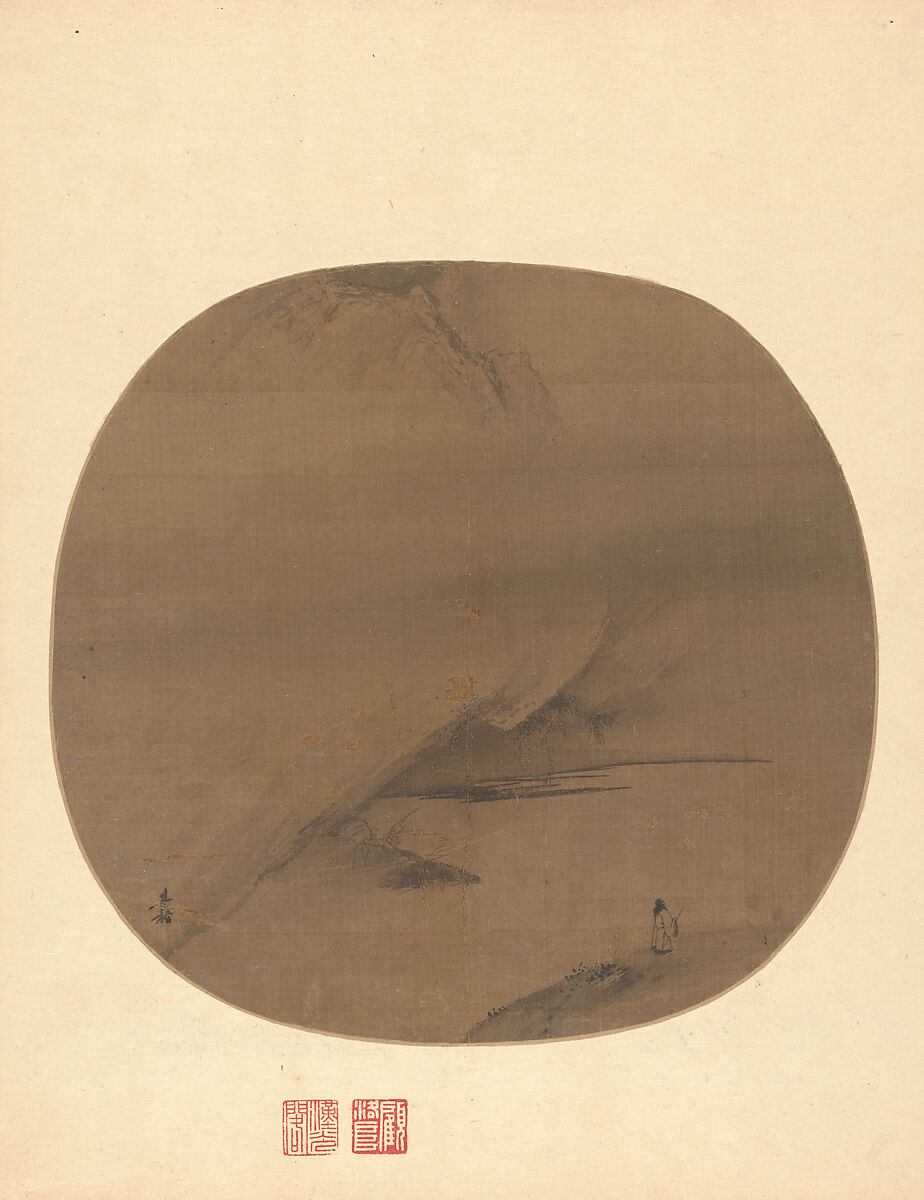
In the 1970s, I helped start an organization that wrote and published a magazine called New Roots: Notes on Appropriate Technology for the Northeast. Inspired by thinkers like E.F. Schumacher, we were interested in what he called intermediate technology, or what we affectionately nicknamed “A.T.”
A.T. wasn’t one fixed set of devices or techniques. It was a way of asking: Appropriate to whom, for what purpose, at what scale, and with what consequences?
One of our cover stories was about the New Alchemy Institute, a group of scientists and designers on Cape Cod. They were experimenting with ways to grow food, raise fish, design buildings, and produce energy by working with natural systems rather than overpowering them.
John Todd, one of New Alchemy’s founders, called this “biological design.” Sunlight fed plants. Plants supported fish. Waste became nutrients. One organism’s output became another’s input. The intelligence was in the relationships.
This way of seeing the world made perfect sense to me then, and it has informed my pursuit of connections ever since. Fifty years later, I keep finding the same ideas wherever I look—in ecology, systems thinking, and Indigenous traditions that understand humans not as observers or managers of the natural world, but as members of it.
There is a powerful concept that holds much of this understanding together: kinship. Kinship begins with belonging. We aren’t separate from the living world; we are part of it. And from that simple understanding springs a whole family of ideas that have shaped my thinking ever since: reciprocity, interdependence, relationship, attention, adaptation, regeneration.
I’ve spent much of my life following this same thread, trying to understand what the living world can teach us about the human systems we create together. That connection becomes clearer to me all the time. We flourish through relationship because that is how life flourishes.
And the cool news is that this way of seeing the world is no longer confined to what we once called the alternative media. It’s finding its way into the mainstream.
No items found.