July 24, 2026
Company
In an age of disruption, sustainability is becoming the operating system of resilient organizations.
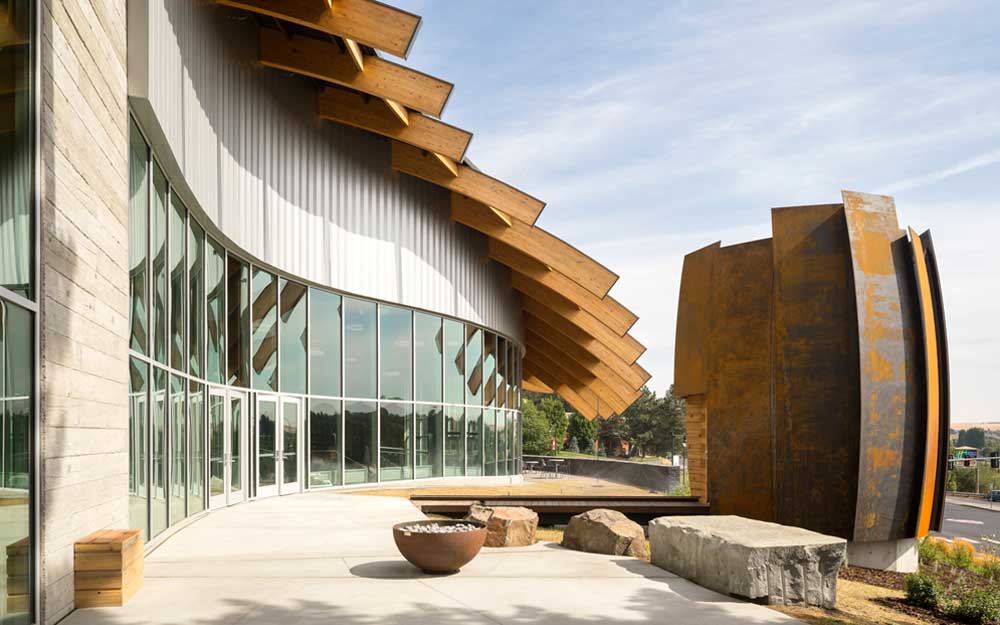
The Elson S. Floyd Cultural Center at Washington State University is built from mass timber, a choice that does more than reduce a building's carbon footprint. It reflects a broader shift in thinking: the strongest organizations increasingly recognize that long-term resilience depends on investing in the health of the living systems that sustain us all. Timber work by Cascade Joinery
For years, companies framed sustainability as a matter of corporate responsibility—a way to reduce environmental harm, strengthen reputation, and meet stakeholder expectations. That logic hasn’t disappeared, but it is no longer the primary driver.
As climate shocks, geopolitical instability, supply-chain disruptions, and regulatory changes become more common, sustainability is increasingly being viewed as a core business capability. The organizations best prepared for uncertainty are using it to anticipate risk, protect critical resources, strengthen operations, and identify new opportunities for growth. In other words, sustainability is moving from the margins of the business to the center of its strategy.
The implication reaches beyond business. Healthy companies depend on healthy communities, functioning ecosystems, reliable infrastructure, and stable institutions. The conditions that allow organizations to thrive can’t be built by any one company alone. Increasingly, resilience is proving to be less a competitive advantage than a shared asset that businesses have every reason to help sustain.
ARTICLE: Corporate Sustainability Is Now a Resilience Strategy