March 27, 2026
Civics
"Maybe changing the world is more like caregiving than it is like war. Too many people still expect it to look like war."
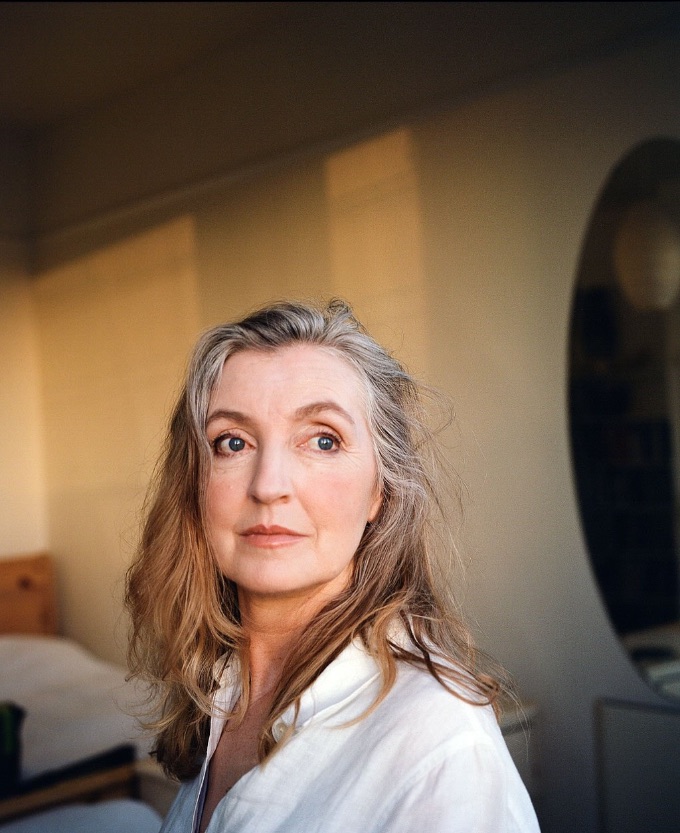
Rebecca Solnit argues that amid democratic backsliding, climate crisis, and technological upheaval, the “next hero” we need is not a single savior but ordinary people acting together over the long term. Photo © Trent Davis Bailey
Thich Nhat Hanh once suggested that “the next Buddha will be the Sangha”—not a lone savior, but a community practicing together. Rebecca Solnit takes that insight as both spiritual and political. In a recent interview about her new book The Beginning Comes After the End, she argues that the strongest counterweight to Trumpism and climate crisis is not a heroic leader, but civil society itself: ordinary people who, over time, quietly bend the world in new directions.
From this perspective, the book reads as the next installment of her Hope in the Dark. Solnit traces an unglamorous but real energy transition, a widening ethic of care for one another and the Earth, and the idea that backlash is often a jagged sign of progress rather than proof of failure. “Maybe changing the world is more like caregiving than it is like war,” she says. “Too many people still expect it to look like war.”
Caregiving, in her telling, is not sentimental. It looks like people staying with difficult work that rarely makes headlines: tending local institutions, building long-term campaigns, and holding coalitions together after the first surge of urgency fades. The climate crisis, she argues, holds both “wonder and horror,” where falling costs for solar and wind coexist with record fossil-fuel production and deliberate obstruction. The constraint is not ingenuity, but power.
That diagnosis sharpens her language about politics. Solnit insists on naming Trumpism as racist, authoritarian, and misogynist, drawing on George Lakey to suggest that some forms of polarization are necessary for moral clarity, while resisting narratives that turn everything into a battlefield. For her, hope lives in the ongoing, often unspectacular work of people who keep showing up—every fraction of a degree avoided, every incremental gain in safety or representation—woven into a more livable future.
INTERVIEW: Rebecca Solnit Says the Left’s Next Hero Is Already Here