April 10, 2026
Habitat
How upcycling plentiful, underutilized biomass into building materials can help solve America’s housing crisis, create jobs, and boost domestic manufacturing
In a 1995 The Atlantic cover story, Amory B. Lovins and L. Hunter Lovins of the Rocky Mountain Institute introduced the ultra-efficient, hybrid-ready “Hypercar” concept to a mass audience—two years before Toyota launched the Toyota Prius in Japan and five years before it reached global markets. In retrospect, the article anticipated a major shift in the auto industry.
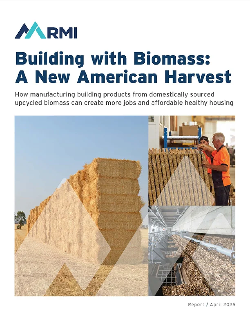
Now, three decades later, the same organization points to a comparable shift in building. In its report Building with Biomass: A New American Harvest, RMI argues that more than 400 million tons of underused farm, forest, and landfill biomass—like agricultural straw, corn, timber thinnings, forestry residue, or waste—could be converted into building materials that store carbon, reduce emissions, and help address the housing gap.
RMI is known for rigorous analysis, and this report is no exception. Drawing on life-cycle comparisons, national biomass data, and U.S. manufacturing models, it quantifies the opportunity: redirecting this biomass could store 100 million metric tons of CO₂ in new housing, divert over 35 million tons of waste from landfills, and unlock tens of billions of dollars in investment along with substantial job creation.
REPORT: Building with Biomass: A New American Harvest