April 17, 2026
Habitat
How Indigenous-informed architecture reframes design as reciprocity.
.png)
The Arts Commons Transformation (ACT) reimagines a 160,000+ sq ft arts expansion in downtown Calgary as an open, park-like “lodge.” Inspired by Blackfoot traditions, it uses ceremony, natural materials, and land-based design to make Indigenous presence visible and reconnect the building to the city and the more-than-human world. Conceptual Rendering via CMLC and Arts Commons.
Indigenous worldviews treat land, buildings, and communities as living relatives in a web of kinship, not as inert assets or technical problems to solve. When those worldviews lead design, architecture stops being a delivery mechanism for services and becomes a practice of renewing relationships—between people and place, past and future, human and more-than-human worlds.
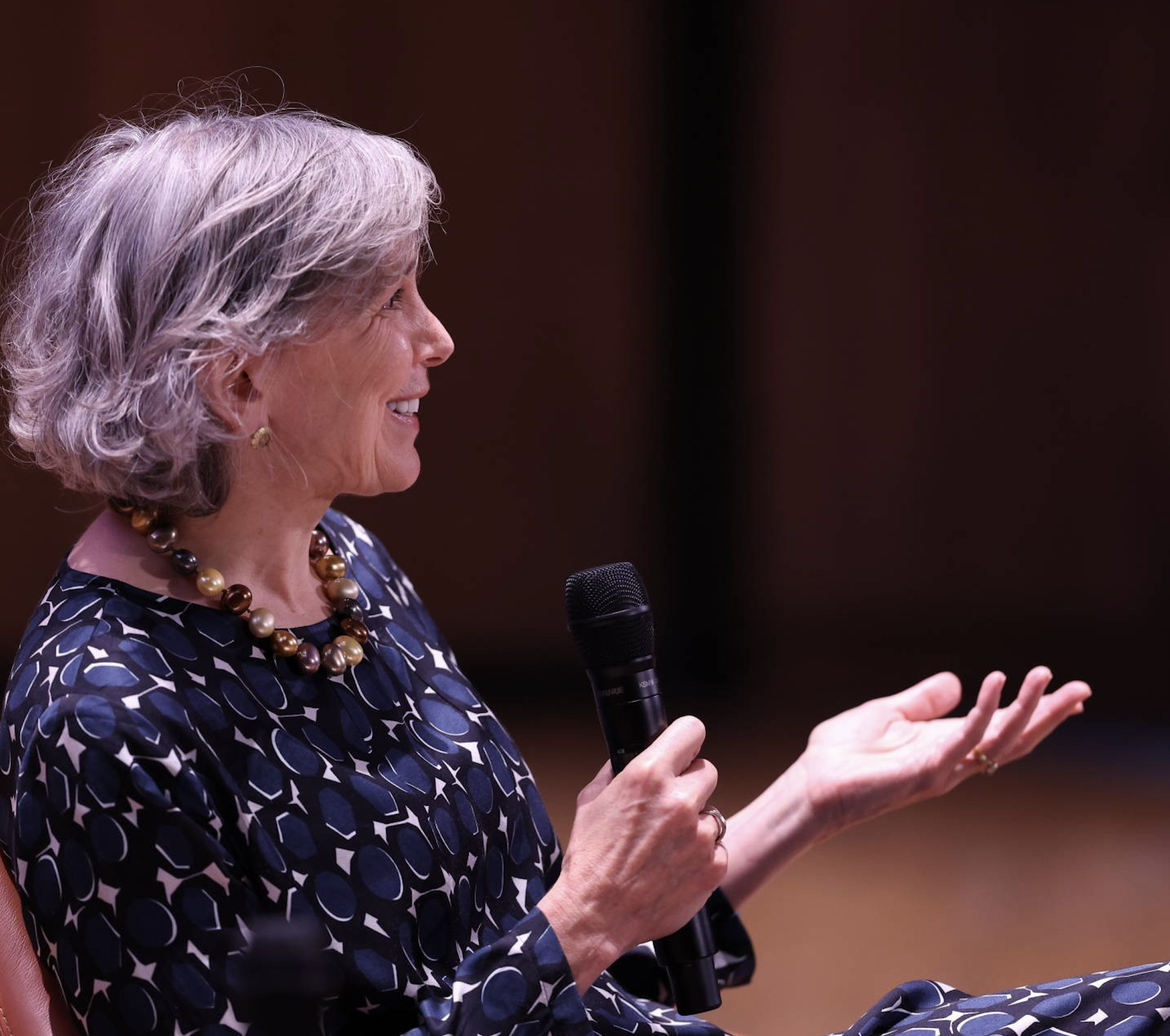
In this Metropolis conversation, Cornelius and Dalla Costa describe Indigenous-informed architecture as a way of working that refuses to slice “sustainability” into checklists and metrics, and instead asks, “What relationships are we repairing or damaging with this project?” They emphasize reciprocity (“How am I putting this relative into the world?”), two-eyed seeing (standing with one foot in Indigenous knowledge, one in the dominant system), and community processes that build “spatial agency” so people who’ve never been allowed to shape their environments can finally decide what their homes, schools, and cultural spaces become.
This perspective resonates on at least three fronts. First, it’s a concrete example of radical hope: Indigenous architects translating ancestral ways of seeing into a contemporary practice, quietly proving that another design logic is not only possible but already here. Second, it reframes “sustainability” from techno-optimization to deep place attachment and land-based teaching—exactly the kind of ecological consciousness we can learn from. Third, their methods are portable. The same tools they use to work “in a good way” with First Nations communities are also helping other marginalized and even middle-class communities tell buried stories, claim voice, and co-create spaces that reflect their dignity, as economic strain and environmental risk reshape where and how people can live.
ARTICLE: Architecture by, for, and with America’s First Communities