May 22, 2026
Nature
Expanding the climate story toward connection and partnership with nature’s regenerative processes.
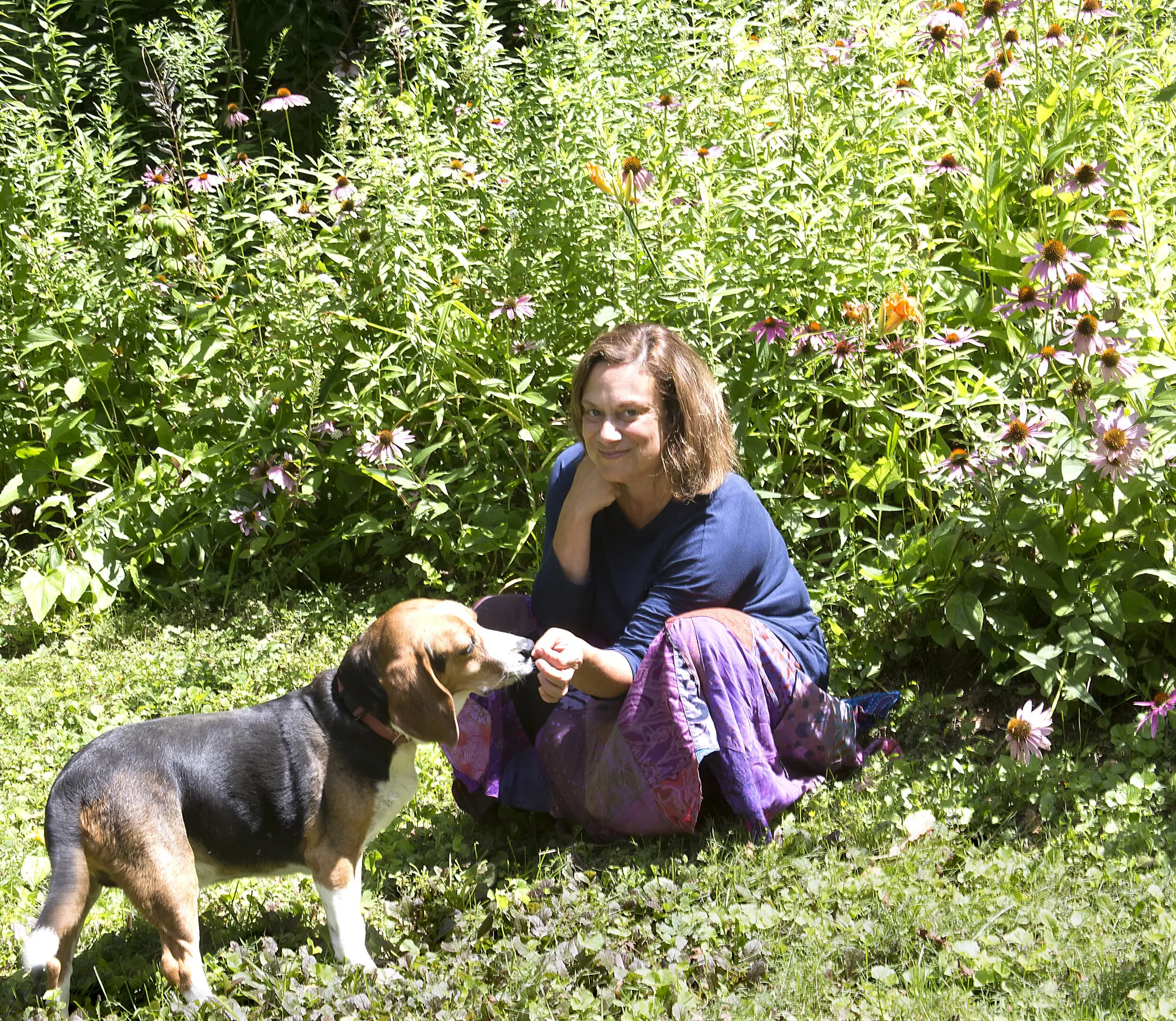
Judith Schwartz with her dog Tsotsi
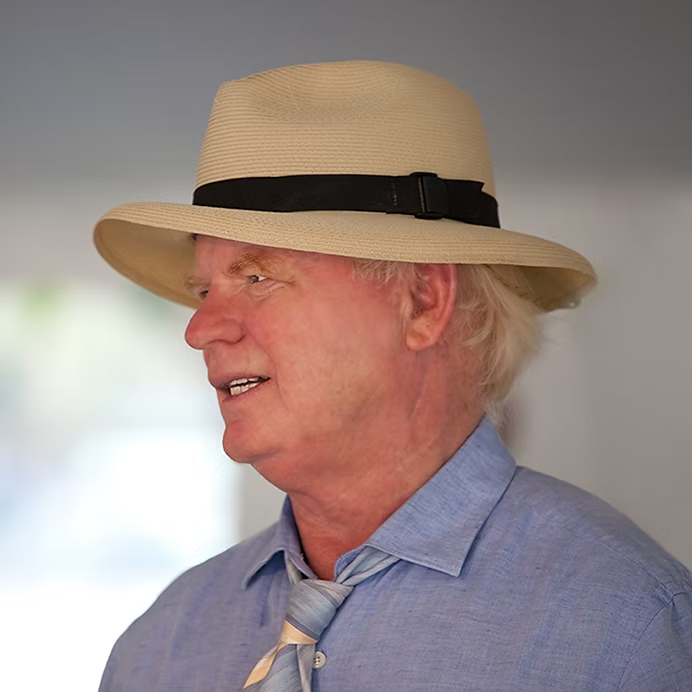
Judith D. Schwartz is a journalist and author who focuses on nature-based, regenerative answers to environmental, economic, and social challenges. She’s particularly good at seeing these remedies through the lenses of soil, water, and landscape restoration. She and her husband, Tony Eprile, are also part of our xc-community and good friends. This essay makes it easy to understand one of the reasons why we recognized one another so quickly the first time we talked.
Regular readers will also recognize the point she is making in this article: climate change is not only a carbon problem, but also a story problem. Judy (to me) observes that the dominant CO2-centered narrative is too abstract, too expert-driven, and too disconnected from lived experience to mobilize broad public engagement.
In its place, she proposes a living-earth perspective in which climate is understood as something deeply shaped by water cycles, vegetation, soil, and ecosystem health. That framing, she says, gives people clearer feedback, a stronger sense of agency, and more room for hope.
One of her central observations is that the standard climate story often revolves around invisible emissions and distant policy solutions. This makes it difficult, if not impossible, for people to feel any direct relationship between cause and effect. A restoration-based approach, by contrast, is tangible. Reforesting a city, restoring wetlands, or reviving local water cycles can create cooler temperatures, healthier landscapes, and more resilient communities in ways people can immediately experience. Importantly, they can also be directly involved.
When we recognize nature not merely as a carbon sink but as a living system that regulates water, temperature, and life itself, we begin to place ourselves back inside the living world rather than outside it. Climate anxiety and ecological grief are easier to bear when people can see themselves as participants in regenerative processes rather than merely witnesses to damage. From that vantage point, agency becomes easier to find, and with agency hope can follow.
Restoring landscapes and restoring human relationship to the living world are the same work.
ARTICLE: Climate: A Crisis of Story