April 24, 2026
Company
Mapping how cooperatives have rooted economic life in shared ownership, mutual aid, and place‑based cultures of care
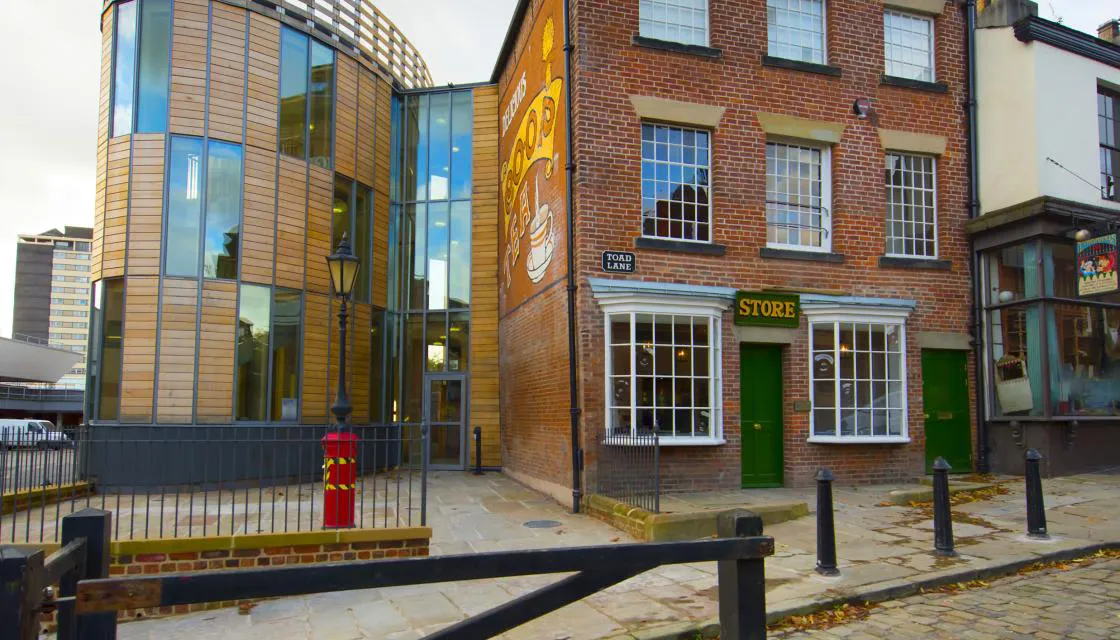
Rochdale Pioneers Museum, on Toad Lane in the English mill town of Rochdale, marks the site where 28 weavers opened a member‑owned store in 1844 that helped launch the modern European co‑operative movement.
Modern co-op history is often told as beginning in 19th-century Europe. Yes, the Rochdale Society of Equitable Pioneers in 1844 England is significant for codifying principles that still guide co-ops today. But this narrative sidelines much older cooperative traditions in Africa, Asia, the Americas, and Indigenous communities. The International Cooperative Alliance’s Cooperative Cultural Heritage initiative brings those practices back into view, treating traditions such as chama groups, ubuntu-rooted mutual aid, and community land and water systems as foundational expressions of cooperation, not peripheral ones.
By inviting nominations from every region, the initiative widens the lens on where cooperation originates and who is remembered. It is building a global map of places and practices that show how co-ops have strengthened livelihoods, culture, and democracy across generations—from historic institutions to living traditions of mutual aid and collective governance. In doing so, it helps decolonize history, surfacing contributions from the Global South and grassroots movements often left out of official narratives.
As more people question the social and ecological limits of unfettered capitalism, this recovery of cooperative history looks less like nostalgia and more like a guide. Co-ops are not a perfect solution, but they offer lived examples of shared ownership, mutual benefit, and long-term stewardship. In that sense, the Cooperative Cultural Heritage map is not a museum piece but a living archive—one that can inform how communities navigate today’s overlapping crises.
ARTICLE: Mapping The Cultural Heritage Of Co-Ops: What Should Be On The List?