September 5, 2025
Learning
Learning to use emissions and residues to make new products
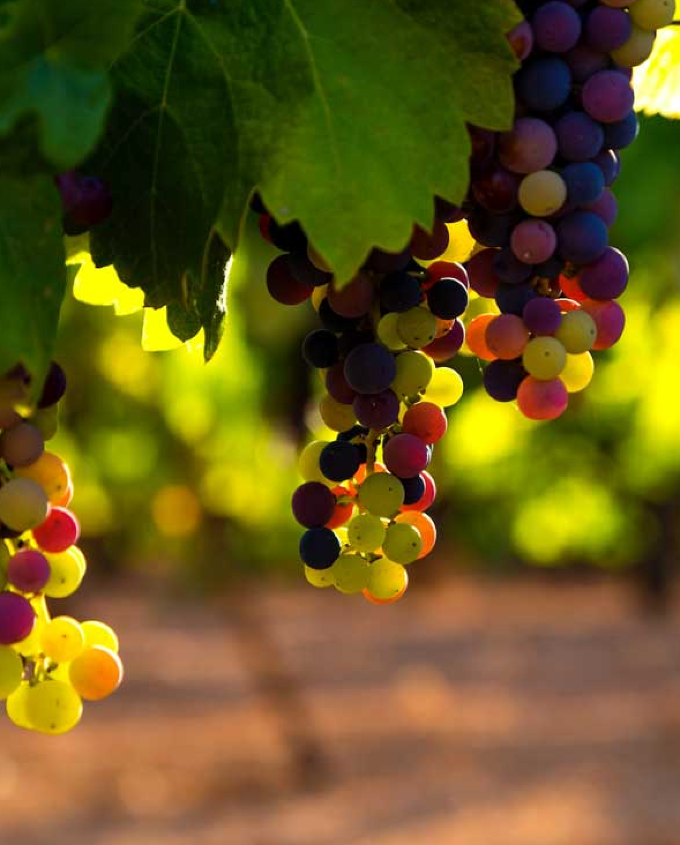
Photo by jose alfonso sierra/Unsplash
In software, “concurrent processing” describes algorithms that generate several results from the same computation. In engineering, "repeatable processes" refers to operations that happen at the same time and produce multiple outcomes. It seems that the agriculture industry is going to need a term for practices that yield more than one product.
The Portuguese drink more wine per person than anyone else in the world, and many communities have centuries-old ties to their local vineyards. But today, winegrowers across Europe face growing threats—from extreme weather linked to climate change and to rising competition from overseas.
In Palmela, a wine region near Lisbon, agronomic engineer Miguel Cachão is testing a way for vineyards to produce more than just wine. His team is developing a technique to capture carbon dioxide released during fermentation and use it to cultivate chlorella, a nutrient-rich algae.
This algae has multiple uses—in animal feed, cosmetics, food supplements, and even wine production—creating new revenue streams while also lowering emissions. Early estimates suggest the technology could generate over €15 million annually for large producers and cut greenhouse gases by at least 30%.
Another EU-funded project, NeoGiANT, is exploring the use of grape skins, pulp, and seeds for extracting compounds that can replace antibiotics in animal and fish farming. These natural therapies could help address the global issue of antibiotic resistance, offering healthier alternatives for livestock and aquaculture.
ARTICLE: Vineyards of the Future Will Produce More Than Wine