December 12, 2025
Learning
Don’t be afraid of the dark.
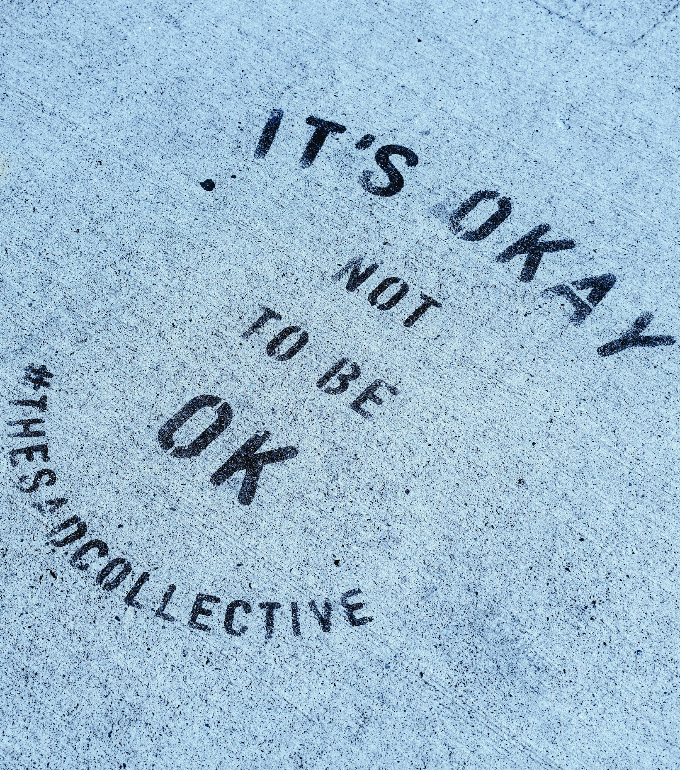
The Sad Collective is a Toronto-based advocacy and storytelling platform founded by writers Meghan Yuri Young and Vasiliki Marapas. They launched it with a simple intention: to validate their own feelings and the feelings of others. Photo by Eva Bronzini
This is a dark and uncertain time. Joanna Macy reminds us that, like living cells in a larger body, it is natural to feel the world’s trauma. In a culture fixated on positivity and quick fixes, practicing radical acceptance—allowing things to be as they are, including painful emotions—can be a brave and transformative act rather than a passive one.
Rooted in Buddhism and modern psychology, radical acceptance offers a deeper alternative to “let it go” mantras. It asks us to fully acknowledge and befriend difficult experiences instead of bypassing them. The guiding principle is that we reach the other side only by moving through what’s here now.
Radical acceptance is not a single decision but an ongoing practice. It involves noticing and naming moment-to-moment states—anguish, bargaining, flashes of memory, the urge to fix—without turning them into a catastrophic story. Over time, this repeated recognition softens resistance, builds inner friendliness, and makes what once felt unbearable more workable.
As Macy coached us, "don’t be afraid of the anguish you feel, or the anger or fear, for these responses arise from the depth of your caring and the truth of your interconnectedness with all beings. To suffer with is the literal meaning of compassion."
ARTICLE: In a culture obsessed with positive thinking, can letting go be a radical act?