May 23, 2025
Learning
Radical acceptance shows us the value in learning how to truly accept life just the way it is.
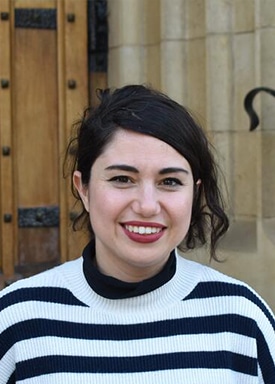
Dr. Nadine Levy is a sociologist, educator, and Buddhist practitioner whose work bridges academic research, teaching, and contemplative practice, with a focus on compassion, mindfulness, and the lived experiences of women.
Dr. Nadine Levy is a sociologist, educator, and Buddhist practitioner whose work bridges academic research, teaching, and contemplative practice, with a focus on compassion, mindfulness, and the lived experiences of women.
Pema Chödrön encourages us to meet fear with curiosity. It’s simple advice that is easier said than done.
This article introduces the idea of radical acceptance, a practice rooted in both Buddhism and modern psychology. It’s not about “letting go” or pushing through. It’s about fully acknowledging what’s happening—especially when it’s painful.
Instead of resisting or denying what we feel, radical acceptance invites us to name our emotions as they arise and meet them with curiosity and kindness. It’s about facing life as it is—not how we wish it were.
It’s hard. But so is living in fear.
ARTICLE: In a Culture Obsessed With Positive Thinking, Can Letting Go Be a Radical Act?