April 11, 2025
Learning
'The question isn’t whether we can imagine a better future—it’s whether we can afford not to.'
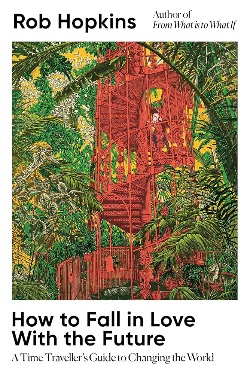
Rob Hopkins, a leader in sustainability and community change, says the future isn’t something that just happens—it’s something we create. He asks: what happens when we stop imagining a better world? For him, imagination isn’t just about creativity—it’s a tool for survival.
In his 2019 book, From What Is to What If, Hopkins warns that we’re facing a crisis of imagination, caused by individualism, consumer culture, and systems that keep us passive. Without imagination we stay stuck in the past. But he believes we can change this, that we can create a better future, by coming together through art, stories, and local action. His next book, How to Fall in Love with the Future, will be released in September.
As founder of the Transition Movement, Hopkins shows that imagination, paired with community effort, can drive real change. The real question, he says, isn’t can we imagine a better future—but can we afford not to?
"When centrist and left-leaning leaders talk about change but avoid real, fundamental shifts, they create a gap the far right often fills. The far right steps in, saying, 'These leaders aren’t meeting your needs, but we can.' They portray the future as something to fear, promising strength and protection. The failure of progressive movements and parties to offer a compelling vision for the future has had dangerous consequences, and we’re now witnessing the fallout across the world."
"...That’s why if someone only watches Fox News, it’s nearly impossible for them to imagine a low-carbon future—there’s no material to work with. We lose our ability to imagine. The idea of a positive future is disappearing from public discourse. So, it’s vital to offer something people can run towards. We’re in a climate emergency; the world is warming, and we’re losing time—every fraction of a degree matters immensely."
INTERVIEW:What if We Could Uncancel the Future? When Luigi Vitali Interviewed Me for Dust Magazine