September 20, 2024
Learning
It’s irrational to be cynical, so why is it becoming more prevalent?
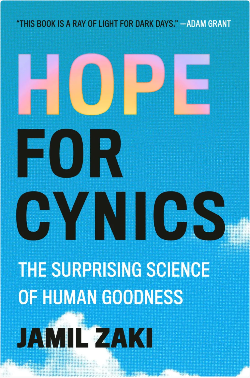
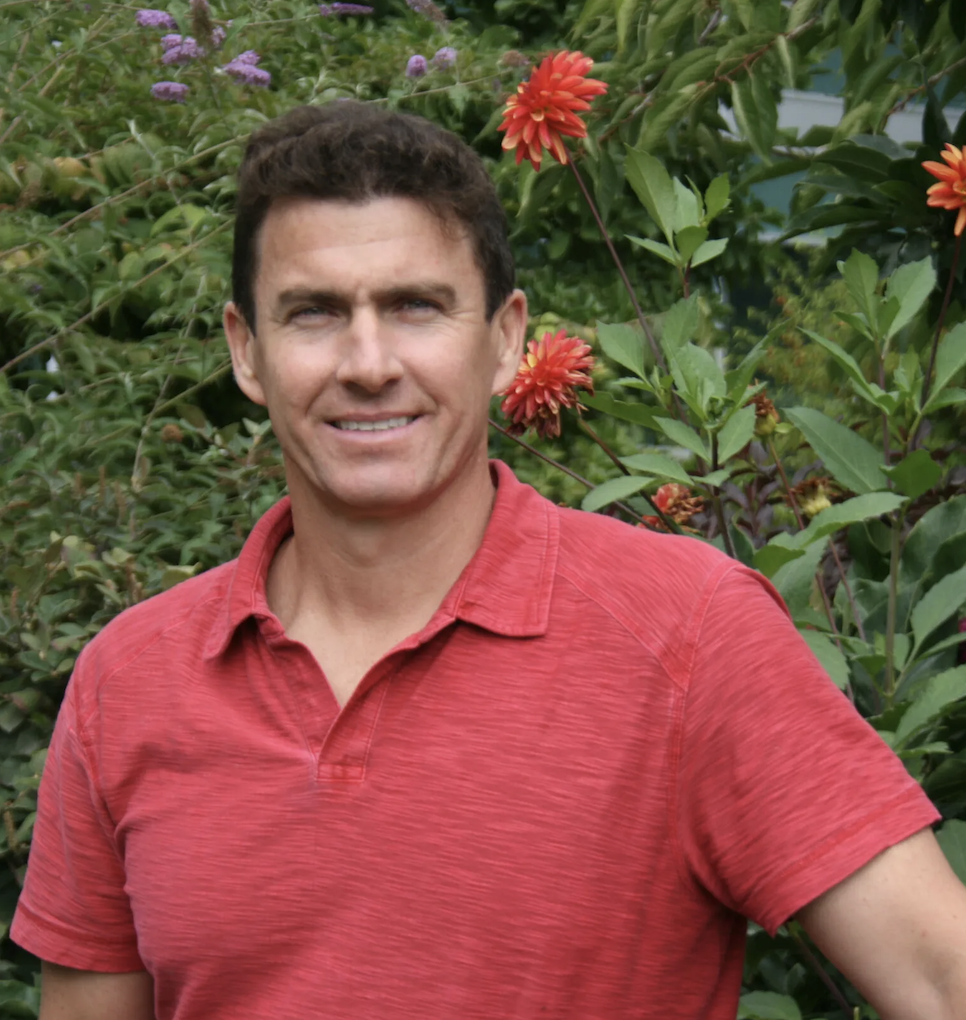
Jamil Zaki is a psychologist at Stanford and the author of a new book called Hope for Cynics: The Surprising Science of Human Goodness. Zaki explores the consequences of cynicism, both for cynical individuals and cynical societies. He punctures the conventional wisdom that says cynicism - "The idea that overall and at our core people are selfish, greedy, and dishonest" - is a reasonable response to the world.
He holds up a stereotype that cynicism is the same as realism. "If you survey people and describe a cynic and a non-cynic to them and say, 'Who’s smarter?', he says "70 percent of people think that cynics are smarter, and 85 percent of them think that cynics are socially smarter, that they’ll pick up on who’s lying versus telling the truth, for instance." But cynics actually turn out to do less well on cognitive tests than non-cynics, and they have a harder time picking out liars from truth-tellers.
And he's just getting started. Cynics suffer more from heart disease. They’re more likely to die earlier than non-cynics. As Zaki observes: "Cynical people who can’t trust others or feel that they can’t, who are unwilling to be vulnerable and open up, it’s almost like they can’t metabolize the calories of social life, and so they end up psychologically malnourished, which is toxic at many different levels."
ARTICLE: The Cost of Cynicism