July 4, 2025
Company
How one company is supporting forest regeneration and biodiversity by incentivizing forest conservation.
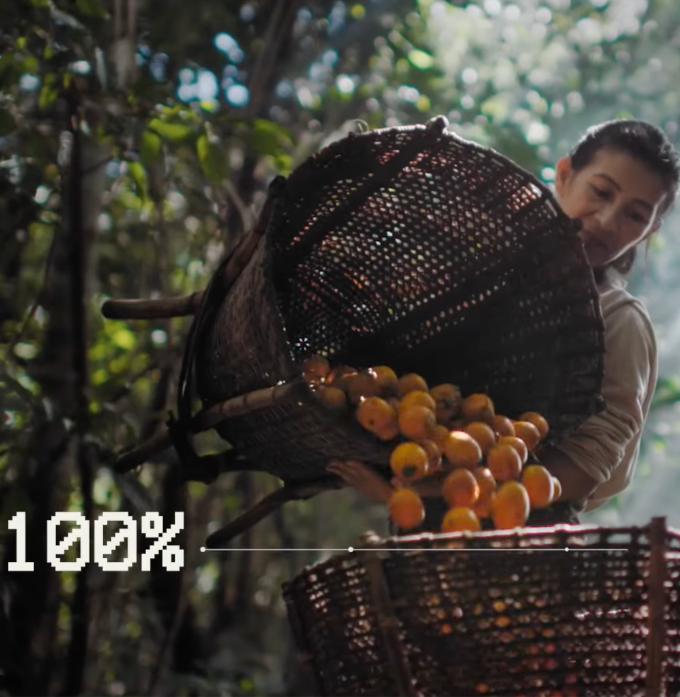
Natura commits to purchasing 100% of the community’s harvested production, offering predictable income and business security.
Reimagining the role of corporations in climate action, Natura—a sustainable cosmetics company based in Brazil—has launched the Greenventory campaign (short for Green Inventory). The initiative offers a blueprint for environmental responsibility grounded in transparency, local empowerment, and innovation.
Greenventory is a technology platform that uses drones and artificial intelligence to map trees and plant species in the Amazon rainforest. This aerial mapping enables the company to identify tree species and share the data with local and Indigenous communities, helping them know exactly where and when to harvest resources sustainably. Natura pledges to purchase 100% of what these communities collect, providing long-term income while reducing incentives for deforestation. Instead of cutting down trees for short-term gain, communities can earn a reliable income by harvesting forest products—such as seeds, fruits, and oils—without damaging the ecosystem.
The platform serves not only as an educational tool but also as an instrument for policy advocacy. It supports Natura’s efforts to promote new models of sustainable development—ones that view nature as an asset rather than an obstacle. (A previous ad campaign positioned the Amazon rainforest as the "Forbes Wealthiest Billionaire.") Greenventory tracks carbon storage, biodiversity, and other ecosystem services, making the value of standing forests visible and measurable in both environmental and economic terms.
The campaign was launched through digital storytelling, social media, and press outreach, with real-time visualizations that made the forest’s hidden value tangible. Greenventory became a symbol of both accountability and optimism, demonstrating that protecting natural ecosystems can be scientifically sound and economically viable.