February 6, 2026
Civics
A practical social technology for building a more "peace-able" world
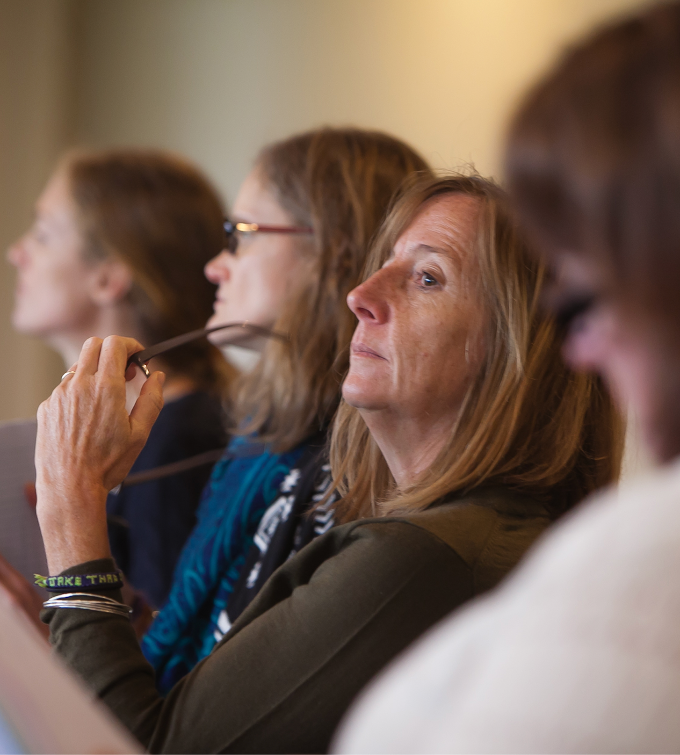
Circles work best when the aim is shared understanding, healing, and belonging, not persuading or winning; if the intention is to convince or change others’ perspectives, this guide is explicit that circle is not the right container. Photo of one of my own workshops by Maureen Bridget
Mediators Beyond Borders International (MBBI) is a nonprofit peacebuilding organization that trains and supports communities worldwide to prevent, resolve, and heal from conflict, with a strong emphasis on mediation and local capacity-building. Its mission centers on building local skills for peace and promoting mediation globally, keeping people directly affected by conflict at the heart of peacebuilding efforts.
MBBI’s vision—“building a more peace-able world”—treats peace not as an abstract ideal but as a practical, learnable set of skills and relationships. One of the most foundational practices they share is the circle process: a structured, egalitarian way for groups to speak and listen together. Circles are used to build relationships, process shared experiences (including trauma and loss), heal social and political divides, and hold difficult conversations with care.
A circle is a carefully prepared gathering shaped by purposeful questions and an egalitarian physical and procedural structure. Participants sit in a circle, use a talking piece, and move through a clear beginning, middle, and end. Conversation unfolds in rounds, giving each person an uninterrupted chance to speak or pass, with every voice treated as equally important.
The practice rests on explicit values—respect, honesty, humility, inclusiveness, shared and personal responsibility, and empathy. Rooted in Indigenous and First Peoples traditions, circle processes have been revitalized over the past forty years in courts, schools, workplaces, and communities as a restorative, relationship-centered approach to conflict.
In a world marked by mistrust, polarization, and self-protective instincts, we need what Margaret Wheatley calls “islands of sanity”: places of refuge and possibility where people commit to protecting our best human qualities—generosity, creativity, community, and courage—so life-giving work can continue amid widespread disruption.
This is an excellent, practical guide. It walks readers through designing and hosting their own circles—from clarifying purpose and participation to crafting questions, preparing the space, and facilitating conversations that genuinely lift every voice.
GUIDE: Circle Process