January 2, 2026
Civics
Libraries as essential civic infrastructure
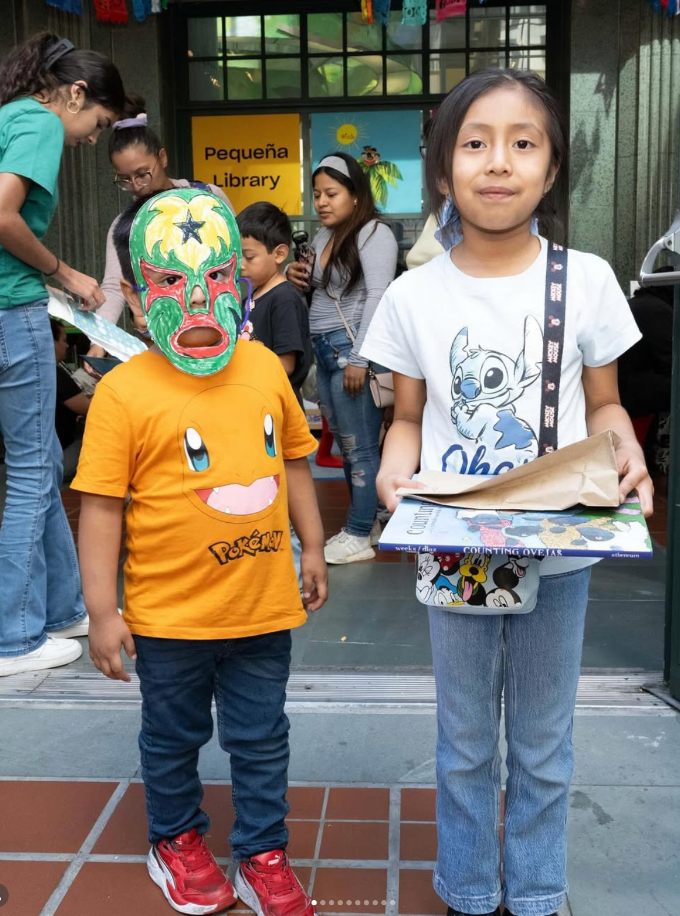
Los Angeles Libros Festival is a free, Spanish–English bilingual book festival held annually at Los Angeles Central Library. It celebrates bilingualism, Latino cultures, and family reading with a full day of programs for all ages. Image via Los Angeles Public Library
IREX is a global nonprofit dedicated to strengthening people, communities, and institutions so societies can function more justly and resiliently. Its work prioritizes human capacity and civic trust.
In recent years, the organization has increasingly focused on misinformation, social trust, and the civic systems that hold democratic life together. As part of this effort, IREX commissioned a landscape analysis—a structured research review examining existing practices, programs, and conditions across U.S. public libraries. The goal was to understand how libraries are addressing social division and civic trust, identify patterns and gaps, and clarify what supports or investments are needed to strengthen this work.
Readers of this letter will not be surprised to learn that, through this lens, libraries emerge not as ancillary services but as essential civic infrastructure. The analysis confirms that the current U.S. crisis of polarization, distrust, social isolation, and misinformation poses a serious threat to democracy—one that demands systems-level responses focused on rebuilding social capital and civic infrastructure. Rising political polarization, declining interpersonal trust, social inequality, and diminished neighborly interaction have produced a fractured social landscape in which people rarely encounter, let alone empathize with, those unlike themselves.
Disinformation and a fast-moving digital information ecosystem further intensify these divides, underscoring the need for spaces and practices that cultivate mutual understanding and democratic norms.
Public libraries—highly trusted, low-barrier, mixed-use civic spaces—are already central institutions for building this social capital and infrastructure. With intention, they can deepen their role in “bridging” social divides. Bridging, as defined in the report, means engaging across difference, respecting identities, building mutual relationships, pursuing the common good, and reinforcing civic engagement and democracy.
Part of the library’s quiet power is that this bridging groundwork often happens through everyday access, basic services, and informal civic life—not only through formal programs or structured dialogue.
Despite significant challenges and risks, the report argues that public libraries should continue and expand their bridging work, supported by stronger tools, sustained funding, strategic partnerships, and more robust evaluation methods.
I serve on the board of directors of our city's public library foundation, which is currently engaged in both a master strategic planning process and an annual, community-wide fundraising effort. This report will be an invaluable resource.
REPORT: How U.S. Public Libraries are Bridging Social Divides