December 26, 2025
Teaching
“What happens in classrooms today is what will happen in society tomorrow.”
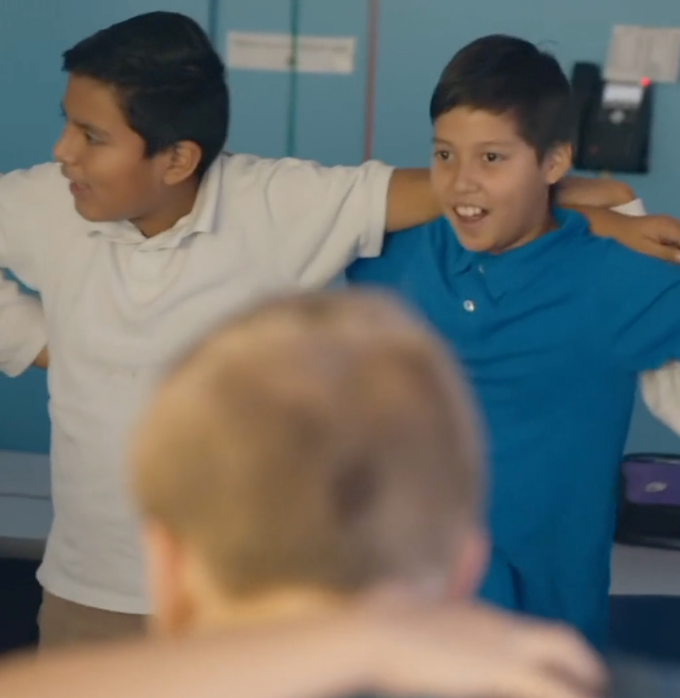
Transcend is explicit that emotional intelligence, sharing, and group process are central conditions for learning, not “nice extras.” Their frameworks tie academic growth directly to students’ emotional skills, relationships, and experiences in community.
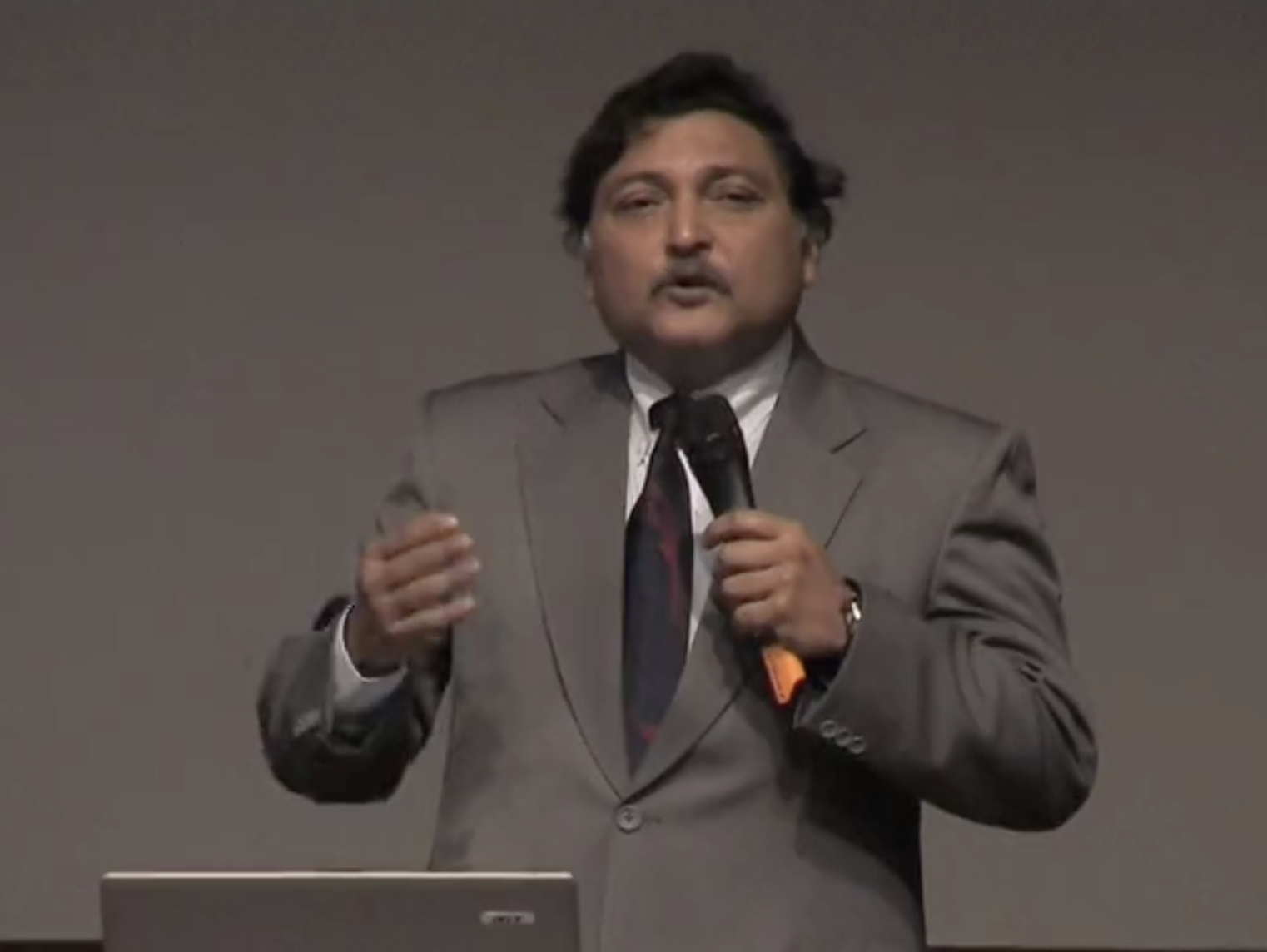
Aylon Samouha is an education innovator and the cofounder and CEO of Transcend, a school design organization that partners with communities to design and scale new school models focused on “extraordinary learning” for all students. In this TED Talk, he explains why schools must be redesigned—not merely improved—to prepare young people for a rapidly changing world.
He makes a compelling case that education can become engaging, purposeful, and relevant when learning is aligned with real-world needs, human development, and local community wisdom. Readers of this letter will recognize Transcend’s approach, known as community-based design. The organization begins with deep, community-wide listening and collective learning to surface lived experience and shared aspirations before proposing new models. It then applies design thinking, R&D principles, and iterative prototyping to co-create what learning can and should look like.
In the talk, Samouha shares findings from a survey of 70,000 U.S. students. The results are sobering: fewer than half say they love school, two-thirds report being bored, and fewer than 4 percent feel a sense of agency in their learning. Speaking as someone who never formally finished high school, I deeply relate to the indifference and boredom students describe. I also find Samouha’s assertion—that we must redesign schools around a new educational purpose—both energizing and, in many ways, self-evident.
Education, he presents, should cultivate active, capable citizens and creative problem-solvers. He highlights three inspiring examples—schools in Brooklyn, rural North Dakota, and Washington, D.C.—where young people are engaged, thriving, and already beginning to transform the world.
(This is) "how Van Ness Elementary in Washington, D.C. redesigned school around a simple idea: kids learn best when they feel seen.
"We brought together families, educators, and district leaders to imagine a school that truly centered the whole child—nurturing mind, body, and relationships while confronting the real trauma that many students carried into school. We integrated effective practices from other settings: morning circles replaced roll call, mindfulness breaks alongside rigorous lessons, measures on student belonging that matter as much as test scores do.
"After months of piloting and iterating, these pieces came together into a coherent model where every student feels safe, connected, and ready to learn.
"When I visited, I saw a seven-year-old named Jalissa who had an emotional outburst in the classroom. Her friend Amara gently guided her to a calming space where they practiced breathing together. Within minutes, Jalissa was back on track. No tension, no punishment—just learning for both of them.
"That's why, even as other D.C. schools issued dozens or more suspensions each year, Van Ness issued none and exceeded district averages in reading and math. Today, one in four D.C. elementary schools is adopting this approach, and it's spreading to more than 100 schools across the country."
VIDEO: Schools Urgently Need a Redesign. Here's How
WEBSITE: Transcend