May 30, 2025
Teaching
What if educational social-emotional learning programs were ultimately about making the world a better place?
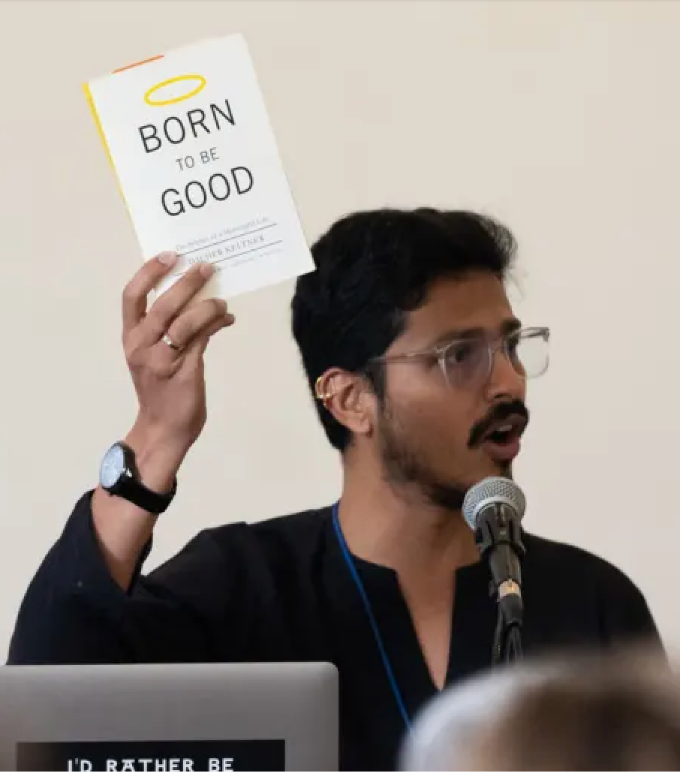
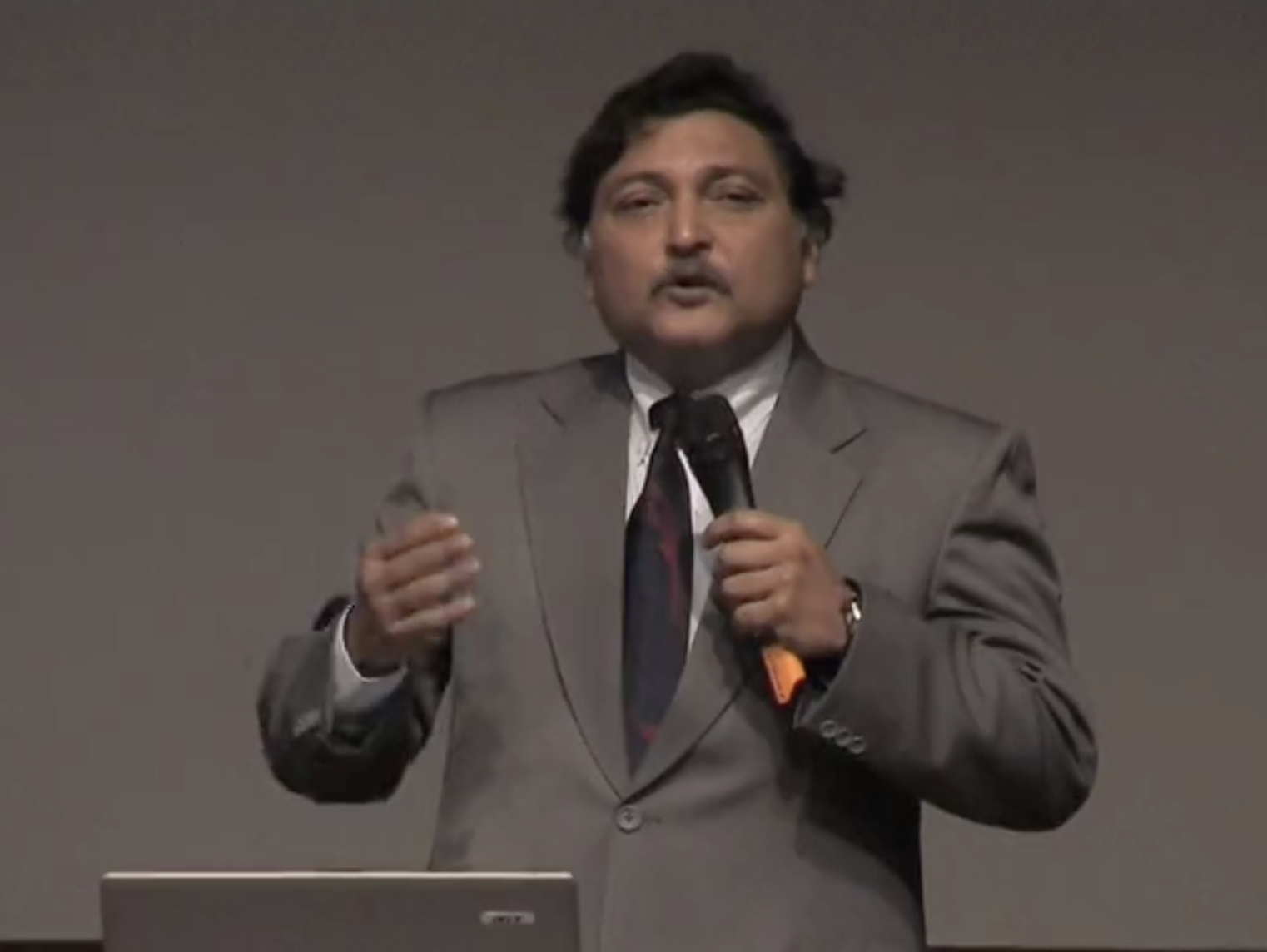
Aakash Chowkase is an educator, researcher, and Associate Research Scientist at the Yale Center for Emotional Intelligence. His work is rooted in "a deep interest in studying the social and emotional development of students." Photo via Yale Child Study Center
Aakash Chowkase is an educator, researcher, and Associate Research Scientist at the Yale Center for Emotional Intelligence. His work is rooted in "a deep interest in studying the social and emotional development of students." Photo via Yale Child Study Center
This article explores how societal polarization affects youth—and makes the case for social and emotional learning (SEL) programs that foster empathy, compassion, and prosocial behavior aimed at collective well-being.
Aakash Chowkase introduces Samvedana, a classroom-based SEL program developed in India, designed to expand students’ “circle of concern”—their ability to care about and act on behalf of others beyond their immediate circles.
Good news: A pilot project with 130 middle school students showed measurable improvements in empathy, especially among those who began with low concern for others. Students reported learning tools for emotional regulation and mindful engagement, and teachers, too, became more mindful and compassionate in their own actions.
"Despite the popularity of SEL programs, especially in the Global North, few explicitly focus on contributing to the greater good. Perhaps this is because dominant cultures in the Global North tend to emphasize individual needs over the collective well-being of society and humanity. However, global issues such as pandemics, geopolitical conflicts, refugee crises, and poverty demand a shift from an individual focus to the greater good, emphasizing collective action and long-term well-being. This shift can begin at a young age by encouraging students to extend their care and concern beyond themselves."
ARTICLE: What If SEL Were About Making the World a Better Place?