February 7, 2025
Civics
When it comes to changing the values, mindsets, rules, and goals of a system, story is foundational.
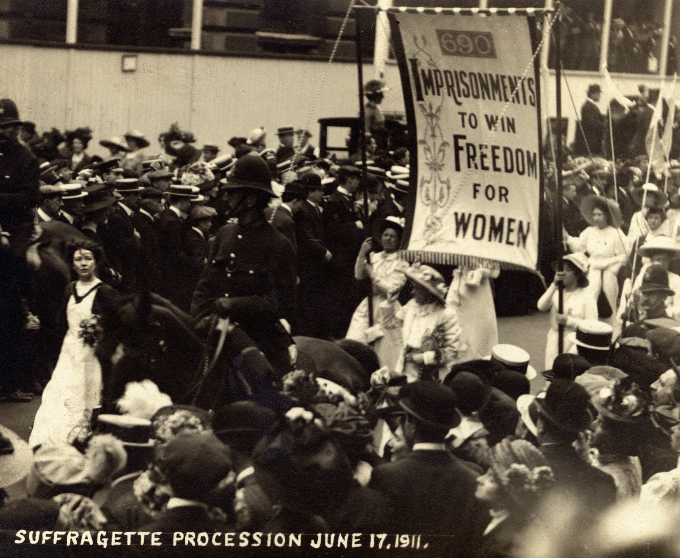
Stories of past social movements can help people working towards systemic change situate their work within a wider historical context.
Stories of past social movements can help people working towards systemic change situate their work within a wider historical context.
In this comprehensive article author Ella Saltmarshe explores the power of storytelling as a tool for systems change and social transformation. She presents a structured framework for understanding and using stories in three key ways:
Saltmarshe acknowledges that in today's world people are both consumers and creators of stories. She calls for new processes of collective storytelling to help navigate turbulent times and drive systemic change.
"A tension between orchestration and openness runs through all this work. We no longer live in a broadcast era, where we passively receive stories en masse. Instead, growing numbers of people have the means to be storytellers as well as story listeners. As systems changers, we should seek the minimum structure needed for people to illuminate the past, present and future; build communities through empathy and coherence; and reauthor the web of narratives we live in. How can we empower generations of storytellers to use this most ancient of technologies to change systems for the better?
"We need to develop new processes of collective storytelling to help us navigate these turbulent and polarizing times. As such, we need more stories about stories in the field of systems change. There are many more examples, tools, and ways of using of stories to share. It is time for systems change practitioners and storytellers to work together in new ways to build a better world so that 'living happily ever after' exists off the page, as well as on it."
ARTICLE: Using Story to Change Systems