January 24, 2025
Civics
'Might collaboration be the kind of knowledge that will help us move forward in the 21st century?'
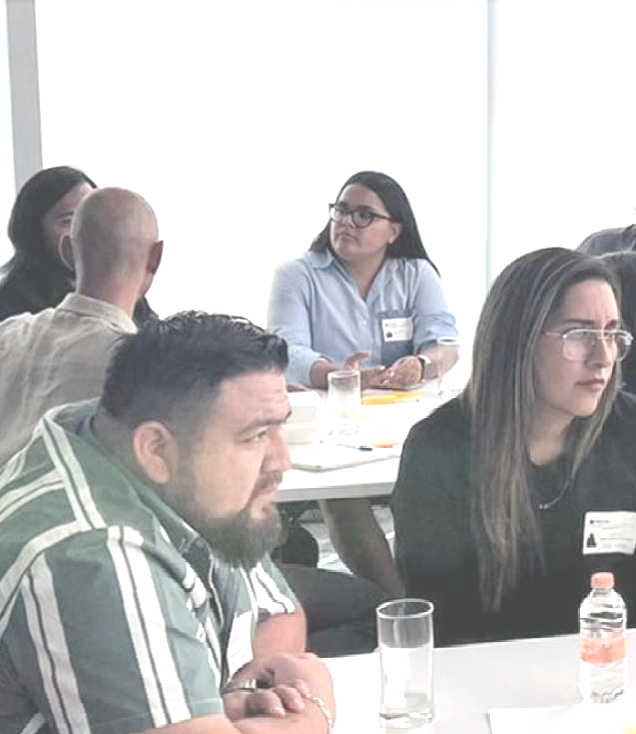
The Co-Leader Community initiative consists of more than 30 public and private organizations and institutions focused on sharing skills for global citizenship such as interpersonal relationships and collaboration.
The Co-Leader Community initiative consists of more than 30 public and private organizations and institutions focused on sharing skills for global citizenship such as interpersonal relationships and collaboration.
Recent research shows that individualism has been rising globally, increasing by approximately 12 percent since 1960. This shift has contributed to heightened competition in education and the workplace, as well as increased armed conflicts, societal polarization, systemic mistrust, and greater difficulty in addressing crises.
In response, there has been growing interest in promoting a social solidarity economy (SSE)—an alternative economic model that prioritizes social and environmental goals over profit maximization. New leadership programs are emerging with a focus on collaboration instead of competition, social impact over profit, democratic and participatory governance, and empowering individuals as agents of change.
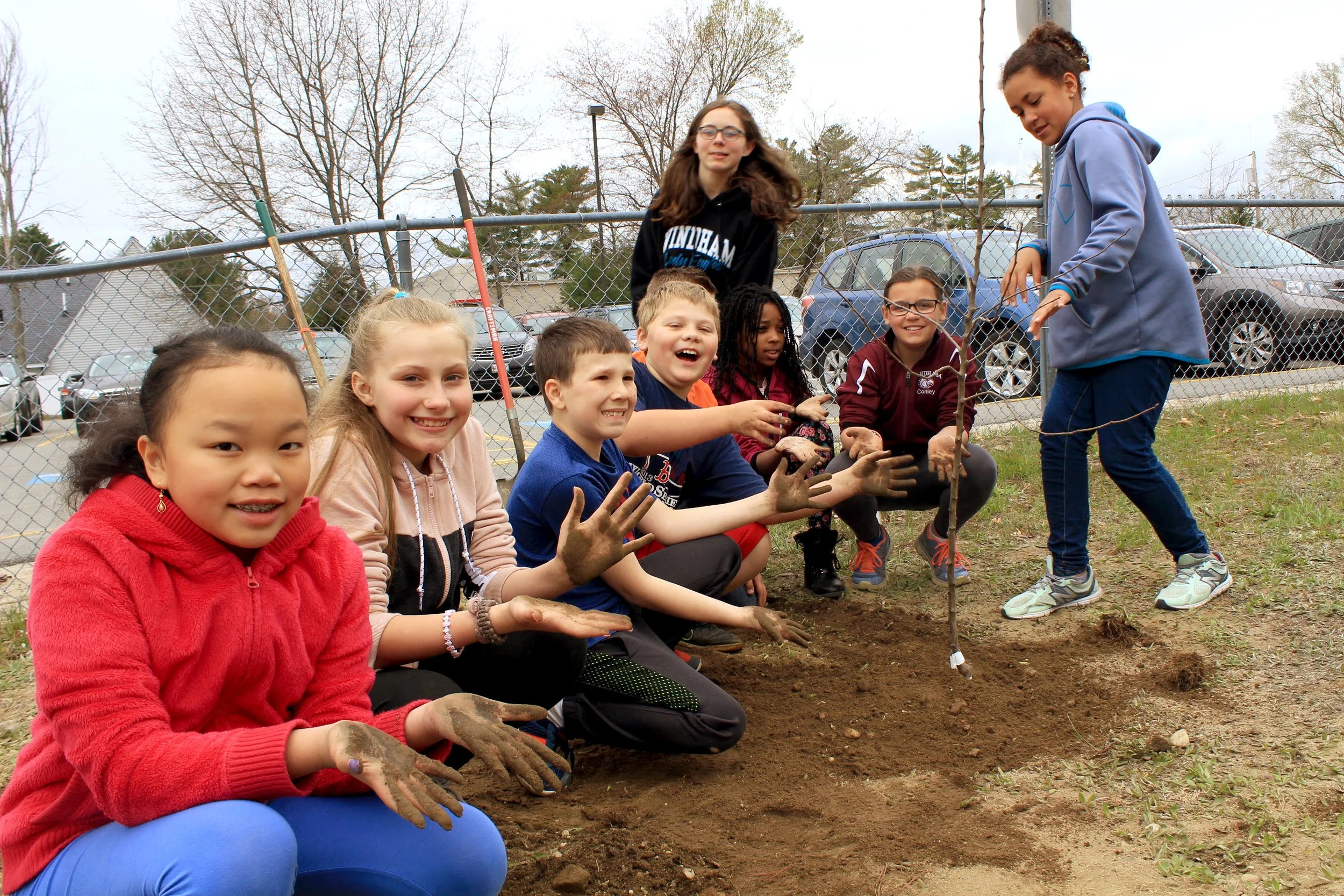
Ashoka, a global nonprofit organization, is at the forefront of this movement, identifying, supporting, and connecting social entrepreneurs leading transformative efforts. In 2019, they launched the Co-Leader Community initiative, designed to create opportunities for children and young people to develop critical skills like empathy, collaborative work, shared leadership, and creative problem-solving.
"Although relatively recent, the SSE already reports a contribution of 7 percent of the Gross Domestic Product globally since 2017, where civil associations, cooperatives, foundations and social enterprises are most active. It is therefore estimated that investing in the development of skills focused on collaborative problem-solving could add $2.54 trillion dollars to global GDP." - Carolina Nieto & David Mayoral
ARTICLE: A More Collaborative World