January 23, 2026
Habitat
As office attendance has yet to rebound, central libraries are bringing people and energy back to city centers.
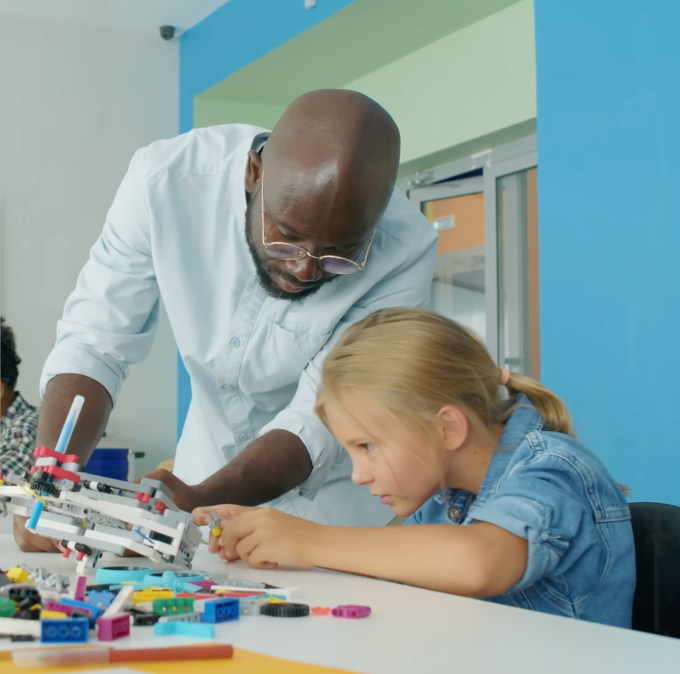
Public libraries create free, welcoming space for people to learn together—strengthening the social capital that makes neighborhoods resilient and downtowns vital.Image via Urban Libraries Council
Sociologist Eric Klinenberg defines social infrastructure as the physical places and organizations that shape how people interact in everyday life. When this infrastructure is strong—through well-used libraries, parks, and community centers—neighborhoods build social capital and become more resilient to shocks and inequality. New research from the Urban Libraries Council shows that downtown central libraries, in particular, function as key civic anchors, drawing people, energy, and economic activity back into struggling city centers.
The report finds that even as office attendance and traditional downtown retail continue to lag in the post-pandemic period, central libraries are seeing strong—and in some cases growing—visitation. Far from being passive amenities, they are acting as intentional drivers of neighborhood vitality. These libraries combine literacy and learning with roles as community hubs, cultural institutions, and economic catalysts.
The authors frame central libraries as “dynamic engines” of urban life, emphasizing their role in making downtowns feel welcoming, safe, and useful to a broad cross-section of residents. Libraries are portrayed as platforms for economic participation, where everyday activities—learning to read, searching for jobs, accessing broadband, attending programs—naturally spill over into spending and engagement in surrounding districts.
For civic leaders and planners, this article argues that downtown libraries should be treated as priority infrastructure in revitalization efforts, not as ancillary amenities. It calls for sustained investment in library facilities, programming, and partnerships, positioning them as integral components of a larger urban ecosystem that includes transit, small businesses, cultural institutions, and public space.
REPORT: Downtown Libraries Are the Anchors Cities Need